
Longer reading
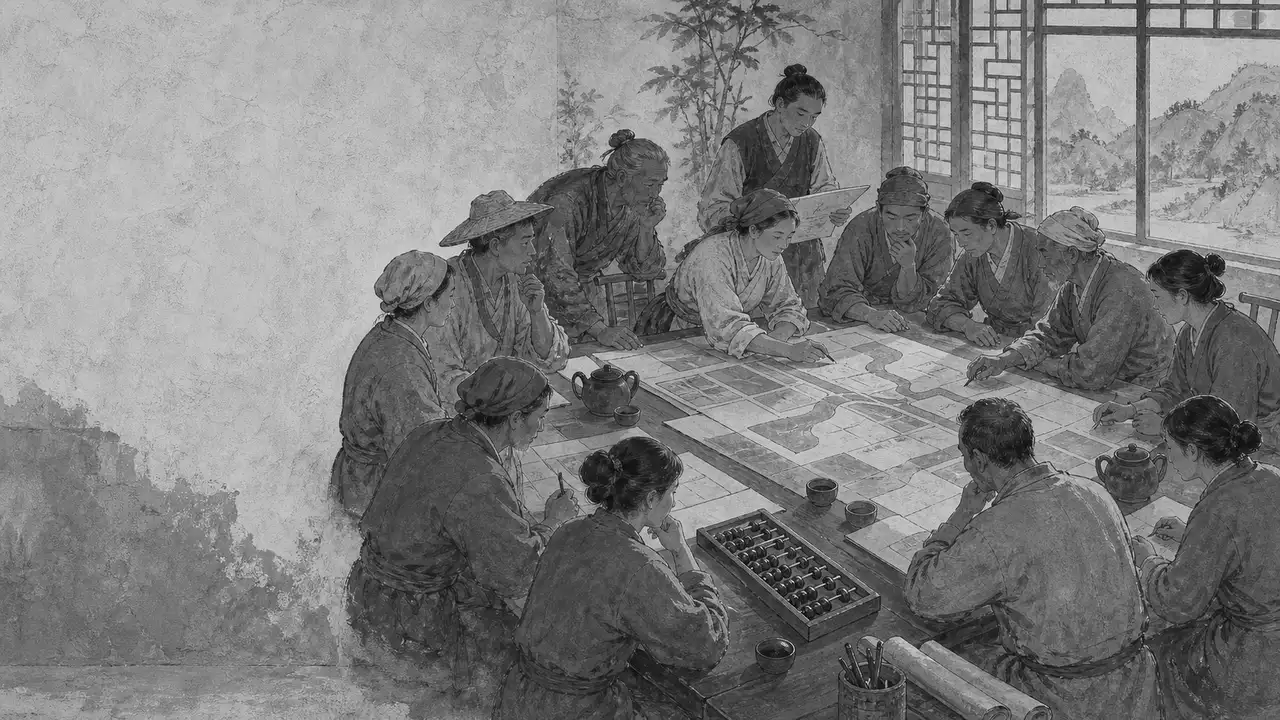
Government With Memory and Rotation
How institutions keep experience without turning office into permanent status.
The Balance
Institutions need memory. Without it, every crisis becomes improvisation and every reform starts from zero.
But institutions also need rotation. Without it, experience can harden into entitlement, and offices begin protecting themselves more than their mission.
Named Roles
Clear roles make responsibility traceable. If no one can name who owned a decision, correction becomes vague and political theater takes over.
Role definition also protects officials from impossible expectations by making authority, duties, and review standards explicit.
What Failure Looks Like
The failure mode is a government that remembers everything except why it exists.
The cure is not constant churn. It is disciplined rotation, public records, review, and the willingness to remove people when legitimacy or performance fails.
Memory Without Ownership
Institutional memory should live in records, training, public reasoning, and reviewable precedent, not only in a few irreplaceable personalities.
When memory depends on insiders who cannot be challenged or replaced, continuity becomes hostage to status. The model tries to preserve knowledge while keeping office conditional.
Go deeper
Longer reading and the adjacent systems this one leans on.
- ValoriaConstitutional OrderThe institutional skeleton of Valoria’s constitution and the limits that bind public power.
- ValoriaParty and StateThe permanent Party’s constitutional role and the limits on its relationship with state institutions.
- ValoriaRepresentative BodiesThe separate state and Party congresses, their composition, and their public responsibilities.